FR
FR  EN
EN DE
DE

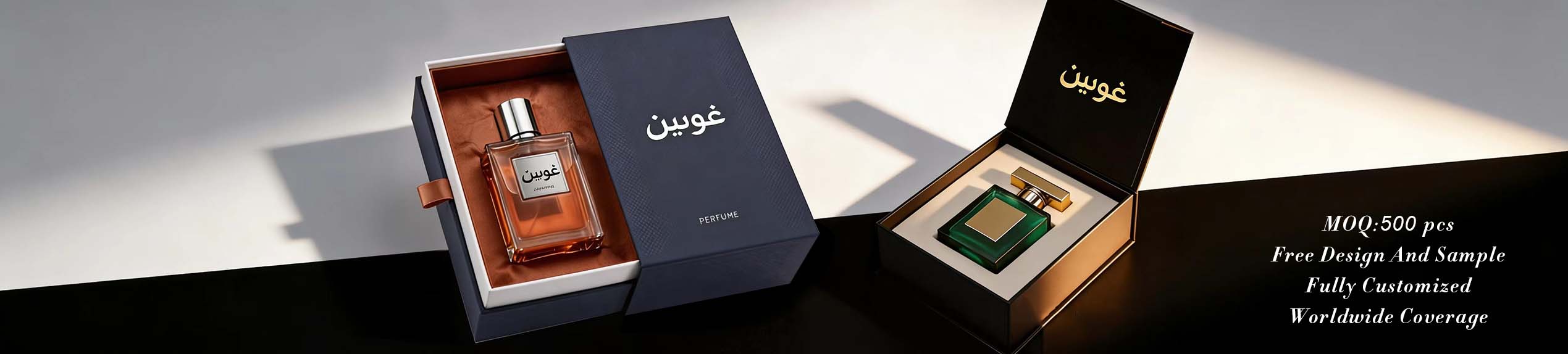
Luxury Packaging Manufacturing: From Concept to Finished Presentation
Luxury packaging manufacturing combines structural development, material selection, printing, decorative finishing, assembly, and quality inspection. For brands purchasing premium packaging, understanding how these stages connect makes it easier to define specifications and evaluate production samples.
Luxury packaging is manufactured differently from simple commodity packaging because appearance, tactile quality, structural precision, and brand presentation are often considered together. A premium package needs to function as a physical container while also supporting the visual identity of the product.
The manufacturing process normally begins with a packaging brief. Product dimensions, desired structure, materials, artwork, finishing requirements, order quantity, and delivery requirements are reviewed before production begins.
For international buyers, understanding the complete production workflow is particularly useful. It allows purchasing teams to ask specific questions instead of evaluating a supplier only from photographs or a general quotation.
What Makes Luxury Packaging Different?
Luxury packaging is not defined by one material or one finishing technique. It is usually the result of coordinated decisions involving structure, material, graphics, finishing, construction, and quality control.
Premium appearance comes from consistency across multiple production stages. A high-quality paper cannot compensate for inaccurate dimensions, poor finishing, or inconsistent assembly.
Structural precision
Rigid and presentation packaging depends on accurate dimensions and clean construction. Panel alignment, edges, corners, lids, bases, and opening mechanisms must work together.
Material selection
Cover papers, specialty papers, rigid board, coatings, and decorative materials influence both appearance and manufacturing behavior.
Surface finishing
Finishing can create contrast, texture, shine, depth, or tactile effects. Foil stamping, embossing, debossing, spot UV, and lamination are common options.
The Luxury Packaging Production Process
1. Project Specification
The manufacturer reviews the product dimensions, packaging concept, box style, materials, artwork, finishing, quantity, and delivery requirements. This information establishes the initial production framework.
2. Structural Development
The structure is developed around the product and intended user experience. Technical drawings establish dimensions and construction details before physical sampling.
3. Material Preparation
Board and covering materials are selected and prepared according to the approved specification. Material availability should be confirmed before the production schedule is finalized.
4. Prototype and Approval
A physical prototype allows the buyer to examine dimensions, construction, materials, artwork placement, and finishing effects. Revisions can be made before mass production.
5. Printing and Finishing
Approved artwork is produced on the selected material. Decorative processes may then be applied according to the specification.
6. Forming and Assembly
Prepared board and printed materials are formed into the final package. Adhesive application, corner construction, alignment, and surface condition require attention during assembly.
7. Final Quality Control
Finished packaging is compared with the approved project requirements. Dimensions, structure, printing, finishing, appearance, and assembly are inspected before shipment.
Common Luxury Packaging Finishes
Foil Stamping
Used for metallic logos, typography, borders, and decorative details.
Embossing
Creates a raised tactile effect for selected graphic elements.
Debossing
Pushes selected details into the surface to create visual depth.
Spot UV
Adds localized gloss to selected areas of a printed surface.
Quality Control in Luxury Packaging
Quality control should be connected to the approved specifications rather than based only on subjective appearance. Important checkpoints can include board and paper quality, dimensions, printing registration, color appearance, finishing consistency, surface condition, structural alignment, and final assembly.
For complex projects, buyers can establish the inspection criteria before production. This gives the factory a clear reference and helps purchasing teams evaluate production results consistently.
GooinPack describes its current quality-control approach as covering materials, printing, structure, finishing, assembly, final inspection, and pre-shipment preparation.
How Buyers Should Prepare a Luxury Packaging Project
- Provide accurate product dimensions.
- Explain the intended box structure.
- Provide final or near-final artwork.
- Specify preferred materials and finishes.
- Confirm estimated quantity.
- Define the required delivery destination and timing.
- Approve a physical sample before mass production when appropriate.
The manufacturer's current process page explains that a finished dieline is not always required to begin a project; product dimensions, reference images, sketches, or a packaging concept can be used to start structural development.
Frequently Asked Questions
What materials are commonly used for luxury packaging?
Rigid board, specialty papers, coated papers, textured papers, laminated surfaces, and decorative finishing materials are commonly considered depending on the structure and visual requirements.
Does luxury packaging always require rigid boxes?
No. Luxury presentation can be developed using several packaging formats. The appropriate structure depends on the product, presentation objectives, dimensions, and budget.
Why is sampling important?
Sampling allows buyers to evaluate the physical result before committing to mass production and helps identify structural or visual changes early.
How should luxury packaging quality be inspected?
Inspection can cover materials, dimensions, printing, finishing, structural construction, surface condition, assembly, and compliance with the approved project specifications.
Develop a Custom Luxury Packaging Project
Share your product dimensions, packaging concept, artwork, materials, finishing requirements, and quantity.
Request a Packaging Quote


 RÉSEAU PRIS EN CHARGE