FR
FR  EN
EN DE
DE

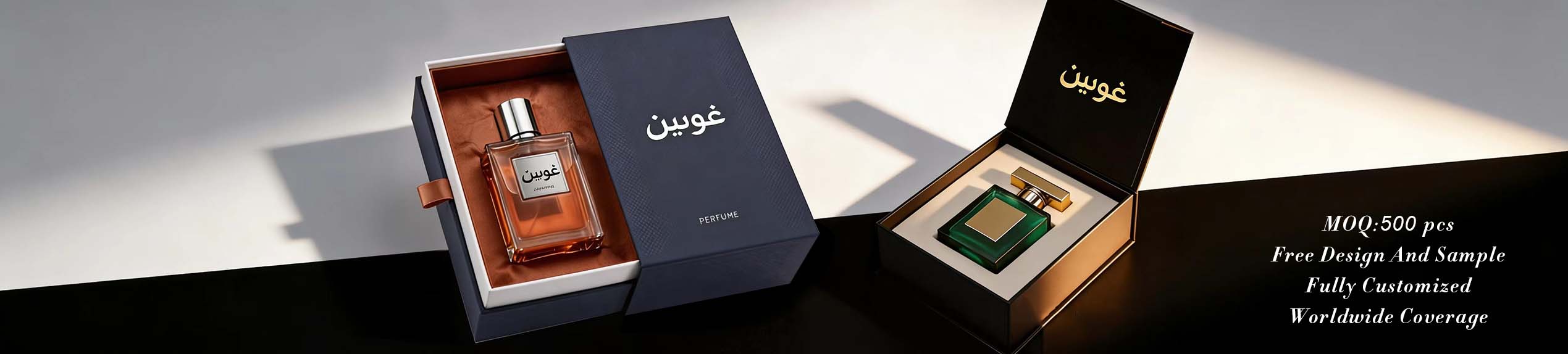
Cosmetic Packaging Manufacturing: A Practical Guide for Buyers
Cosmetic packaging manufacturing combines structural development, board and paper preparation, printing, decorative finishing, forming, assembly, and quality control. Buyers can reduce production uncertainty by understanding how these stages work together.
Cosmetic packaging needs to balance presentation, structure, branding, and practical handling. Depending on the product category, packaging may be developed for skincare, makeup, fragrance-related products, personal care, or premium beauty collections.
The manufacturing process starts with product information rather than artwork alone. Product dimensions, weight, package style, opening method, visual direction, quantity, and delivery requirements all influence the final packaging specification.
For buyers, understanding the production workflow provides a useful framework for supplier communication and sample approval.
Step 1: Define the Cosmetic Packaging Requirements
The manufacturer first needs to understand the product and its packaging objectives. Useful information includes product dimensions, number of units, desired presentation, box structure, artwork, materials, finishing, quantity, and destination.
Different cosmetic products may require different packaging structures. A compact retail package may have different dimensional and handling requirements from a premium skincare gift box.
If the final structure has not been designed yet, provide product dimensions, photographs, reference packaging, or sketches. These can help the manufacturer begin structural development.
Step 2: Structural Development
Structural development translates product requirements into a manufacturable package. The manufacturer considers finished dimensions, board thickness, panel construction, opening method, assembly requirements, and tolerances.
For premium cosmetic packaging, structural precision is particularly important because small dimensional inconsistencies can affect visual alignment and overall presentation.
A technical drawing or approved structural specification should be established before mass production.
Step 3: Material and Printing Preparation
Once the structure is confirmed, the manufacturer prepares the selected board and paper materials. The covering material may be printed with brand graphics, patterns, typography, product information, or decorative artwork.
Material choice influences the visual result and production behavior. Buyers should confirm paper texture, surface treatment, board specification, color expectations, and finishing requirements before production.
Artwork considerations
Artwork should be supplied in an appropriate production format and checked for dimensions, bleed, typography, color requirements, and positioning. The final artwork should correspond to the approved structural dimensions.
Step 4: Decorative Finishing
Cosmetic packaging often uses finishing to reinforce brand identity. Depending on the design, options can include hot foil stamping, embossing, debossing, spot UV, matte lamination, gloss lamination, and specialty papers.
Foil
Suitable for selected metallic branding details and decorative elements.
Embossing
Creates a raised tactile effect for logos or selected graphic details.
Spot UV
Adds localized gloss and contrast to selected artwork.
Step 5: Forming and Assembly
Printed and finished materials are converted into the completed packaging structure. This stage requires consistent adhesive application, accurate forming, clean edges, and correct alignment.
For cosmetic packaging, visual consistency matters because packages are often displayed together in retail environments. Differences in dimensions, printing position, or surface finish can become noticeable when several packages are placed side by side.
Step 6: Quality Inspection
Quality inspection should compare the completed packaging with the approved specifications and sample. Depending on the project, checks may cover dimensions, structure, printing, finishing, surface condition, assembly, and overall appearance.
GooinPack's current quality-control page states that its inspection process can cover incoming materials, printing, structural accuracy, finishing, assembly, and final inspection, with checkpoints adapted to the project requirements.
For buyers, this means quality requirements should be discussed before production rather than introduced only after the goods have been completed.
How Buyers Can Prepare a Cosmetic Packaging Order
- Provide exact product dimensions.
- Confirm the required packaging structure.
- Provide artwork and brand guidelines.
- Specify materials and surface finishes.
- Confirm quantity and target delivery date.
- Request a physical sample where appropriate.
- Confirm inspection requirements before mass production.
GooinPack currently lists custom cosmetic boxes as one of its core packaging categories, alongside rigid boxes, magnetic boxes, perfume packaging, and gift packaging.
Frequently Asked Questions
What is involved in cosmetic packaging manufacturing?
The process can include structural development, material preparation, printing, finishing, forming, assembly, inspection, packing, and shipment.
Can cosmetic boxes be fully customized?
Yes. Dimensions, structure, materials, artwork, printing, finishing, and production specifications can generally be customized according to the project.
Why should buyers approve a sample?
A physical sample allows buyers to evaluate the actual dimensions, materials, printing, finishing, structure, and workmanship before mass production.
What affects cosmetic packaging production time?
Structure, materials, finishing, quantity, sampling, artwork approval, production scheduling, and shipping arrangements can all affect the overall timeline.
Planning Custom Cosmetic Packaging?
Send your product dimensions, artwork, quantity, materials, and packaging requirements for project review.
Request a Quote


 RÉSEAU PRIS EN CHARGE