FR
FR  EN
EN DE
DE

Tiana
+86-13143789995
10 % de remise en points sur les commandes d'impressions personnalisées. Activer maintenant
Besoin d'aide ? Parlez à un expert en impression dès aujourd'hui. Trouver un magasin
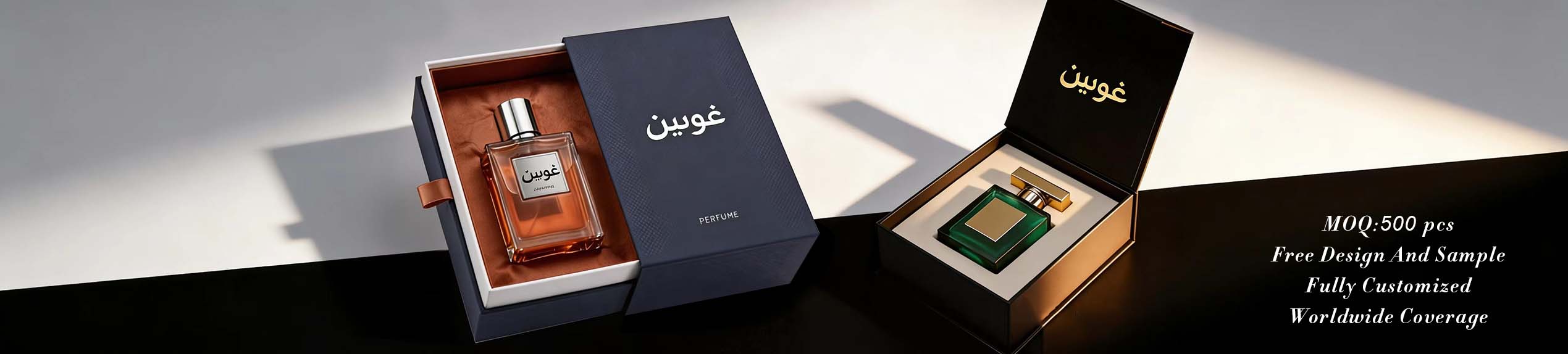
How to Compare Magnetic Box Manufacturers in China?
Magnetic boxes are widely used for premium products because they combine structural protection with a presentation-oriented opening experience. They are commonly used for perfume, cosmetics, jewelry, electronics, gifts, wine, promotional products and luxury consumer goods.
However, magnetic boxes can vary significantly in construction, materials, printing, finishing and assembly quality. Two manufacturers may provide apparently similar samples while having very different production capabilities.
For this reason, buyers should compare Chinese magnetic box manufacturers using more than price.
This guide explains the most important factors to evaluate.
Before comparing suppliers, define the structure you need.
Common magnetic packaging structures include:
Magnetic closure boxes
Book-style magnetic boxes
Foldable magnetic boxes
Two-piece magnetic rigid boxes
Magnetic gift boxes
Magnetic perfume boxes
Magnetic cosmetic boxes
Magnetic boxes with inserts
The structure affects material consumption, assembly, shipping volume, magnet placement and production complexity.
A manufacturer experienced with one structure may not necessarily have the same expertise with another.
Therefore, always compare suppliers based on the exact structure required.
Magnetic boxes are a form of rigid packaging, so the supplier's rigid-box manufacturing capability is important.
Check whether the manufacturer has experience with:
Greyboard construction
Paper wrapping
Corner formation
Folding structures
Magnetic installation
Lid alignment
Insert fitting
Surface finishing
Assembly
Look at physical samples if possible.
Pay attention to the corners, edges, paper wrapping, alignment and overall rigidity.
These details are often more informative than product photographs.
The magnet is a functional component, not simply a decorative feature.
A good evaluation should consider:
Magnet strength
Magnet positioning
Closure alignment
Opening force
Consistency
Concealment
Adhesive stability
If the magnet is too weak, the box may open unexpectedly.
If it is too strong, the customer may have difficulty opening the package.
If magnets are incorrectly positioned, the lid may not align correctly.
Ask the manufacturer how magnetic placement is controlled during production.
The same magnetic box structure can be produced with different materials.
Common materials include:
Greyboard
Coated paper
Specialty paper
Textured paper
Fabric
Art paper
Recycled paper
FSC-certified paper
EVA
Foam
Cardboard inserts
Material choice affects appearance, durability, cost and sustainability.
Do not compare quotations without comparing material specifications.
A lower price may simply reflect a different board thickness, paper quality or insert material.
Premium magnetic boxes often depend heavily on surface finishing.
Potential options include:
Offset printing
Digital printing
Hot foil stamping
Silver foil
Embossing
Debossing
Spot UV
Matte lamination
Gloss lamination
Soft-touch finishing
Ask manufacturers to show examples using the same or similar finishing processes required for your project.
A supplier may claim to offer every finishing method, but actual samples provide stronger evidence.
Buyers often focus on the exterior and forget the interior.
For premium packaging, the inside can be equally important.
Inspect:
Inner paper wrapping
Insert fit
Magnet concealment
Edges
Adhesive marks
Product positioning
Surface consistency
For perfume packaging, for example, the bottle should sit securely inside the insert without excessive movement.
For cosmetics, the packaging should provide appropriate support while maintaining the intended presentation.
A professional manufacturer should be able to produce a prototype before mass production.
The prototype allows the buyer to verify:
Dimensions
Structure
Opening mechanism
Magnet placement
Product fit
Printing
Finishing
Inserts
Do not approve mass production based only on a digital drawing.
Physical evaluation is particularly important for complex magnetic structures.
Ask how the supplier checks magnetic boxes during production.
Relevant inspection points may include:
Check dimensions, alignment and construction.
Check magnet position, polarity, closure and opening.
Check color, registration and artwork placement.
Check foil, embossing, UV and surface condition.
Check inserts, ribbons, adhesives and fitted components.
Compare finished products with the approved sample and specifications.
The manufacturer should be able to explain which checks apply to your specific box.
MOQ can vary significantly among Chinese packaging manufacturers.
Some manufacturers may offer selected packaging configurations from relatively low quantities, while others focus on larger production runs.
Do not compare MOQ independently from price.
A supplier with a low MOQ may have a higher unit price, while a supplier requiring larger quantities may offer better unit economics.
Calculate:
Total Packaging Cost = Unit Price × Quantity + Tooling + Sampling + Other Charges
Also consider shipping volume.
Rigid magnetic boxes can occupy significant space, particularly when shipped assembled.
One important difference between magnetic box manufacturers is whether they offer foldable or flat-packable structures.
A foldable magnetic box can sometimes reduce shipping volume compared with a fully assembled rigid box.
Ask:
Is the box shipped assembled?
Can it be folded?
How many units fit into one carton?
What is the carton size?
What is the gross weight?
How many cartons are required?
Shipping cost should be included in the total procurement calculation.
Ask each supplier to provide separate timelines for:
Structural development
Prototype
Artwork approval
Material preparation
Mass production
Assembly
Final inspection
Shipment preparation
This creates a more realistic project schedule.
Do not compare suppliers based on one number such as "15 days" without understanding what the number includes.
Magnetic packaging involves multiple technical details.
A supplier should be able to clarify questions about:
Box structure
Magnet specifications
Materials
Insert design
Finishing
Artwork
Tolerances
Production limitations
The ability to identify problems before production is valuable.
For example, if a perfume bottle is unusually heavy, the manufacturer should consider insert support and structural strength rather than simply reproducing the artwork.
A practical comparison table might include:
| Category | What to Evaluate |
|---|---|
| Factory identity | Legal entity and manufacturing location |
| Magnetic structure | Relevant production experience |
| Materials | Board, paper and insert specifications |
| Closure | Magnet strength and alignment |
| Printing | Accuracy and consistency |
| Finishing | Foil, embossing, UV and lamination |
| Inserts | Product fit and structural support |
| Sampling | Prototype quality |
| QC | Inspection process |
| MOQ | Minimum production quantity |
| Lead time | Realistic production schedule |
| Shipping | Carton efficiency and volume |
| Certification | FSC, ISO and other relevant documentation |
| Communication | Specification management |
| Price | Complete landed cost |
This prevents price from becoming the only decision factor.
The best way to compare magnetic box manufacturers in China is to compare their ability to deliver the same specification, not simply their product photographs or advertised prices.
A useful supplier evaluation should cover structure, materials, magnets, printing, finishing, inserts, sampling, quality control, MOQ, lead time, shipping and documentation.
For premium brands, the physical prototype remains one of the most useful evaluation tools. It allows buyers to test the opening experience, structural fit, surface quality and overall presentation before committing to mass production.
The objective is not simply to find a supplier that can manufacture a magnetic box. It is to find a manufacturer whose production process matches the technical and commercial requirements of the project.


Blog Plan du site Xml politique de confidentialité
Droit d'auteur
© 2026 GuangZhou GooinPack Packaging Co., Ltd. Tous droits réservés
.  RÉSEAU PRIS EN CHARGE
Liens amicaux : Blogger
Laisser un message
Numériser vers WhatsApp :